
Brain Food for Better Memory:
The Top Nutrients Seniors Need for Cognitive Health
Our brains work hard for us every single day. They help us remember important moments, stay connected to the people we love, solve problems, follow conversations, and enjoy the routines that bring comfort and meaning to daily life. As we age, it is natural to notice some changes in memory or focus, but nutrition can play an important role in supporting cognitive health and helping the brain function at its best.
The foods we eat provide the brain with the fuel and nutrients it needs to stay healthy over time. In fact, many of the same foods that support heart health and overall wellness also help support memory, concentration, and mental clarity. The encouraging news is that supporting brain health does not require a strict or complicated diet. Often, it begins with simple, nourishing meals and consistent daily habits.
Why Nutrition Matters for Brain Health
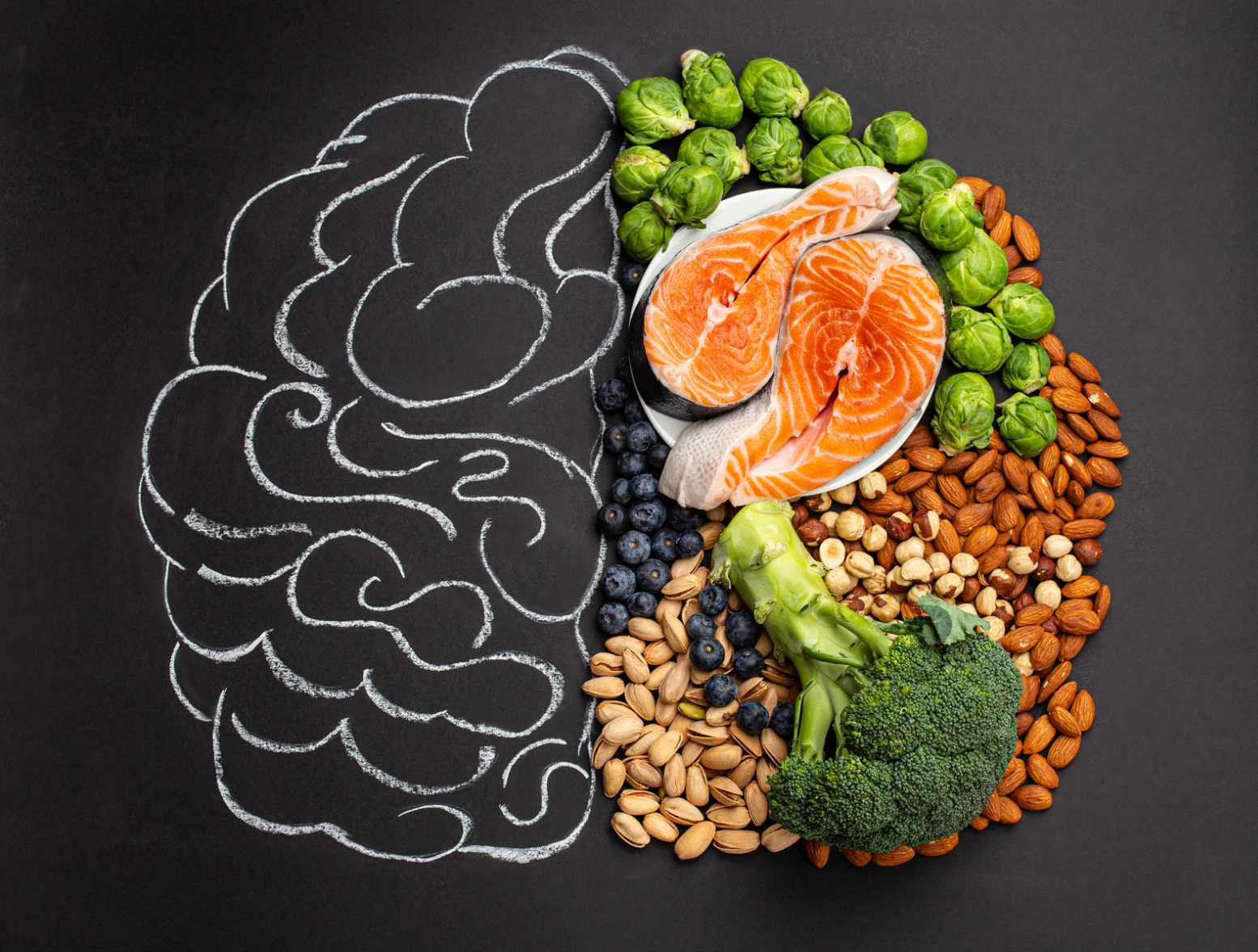
The brain depends on a steady supply of vitamins, minerals, healthy fats, and antioxidants to function properly. These nutrients help support communication between brain cells, protect the brain from everyday wear and tear, and provide the energy needed for clear thinking and focus.
Over time, poor nutrition can make it more difficult for the body and brain to function efficiently. On the other hand, balanced meals filled with nutrient rich ingredients may help support cognitive wellness, energy levels, mood, and overall quality of life.
Certain nutrients are especially important for seniors looking to support long term brain health.
Omega 3 Fatty Acids
Omega 3 fatty acids are often called one of the most important nutrients for brain health. These healthy fats help support brain cell structure and communication, and research continues to explore their role in memory and cognitive function.
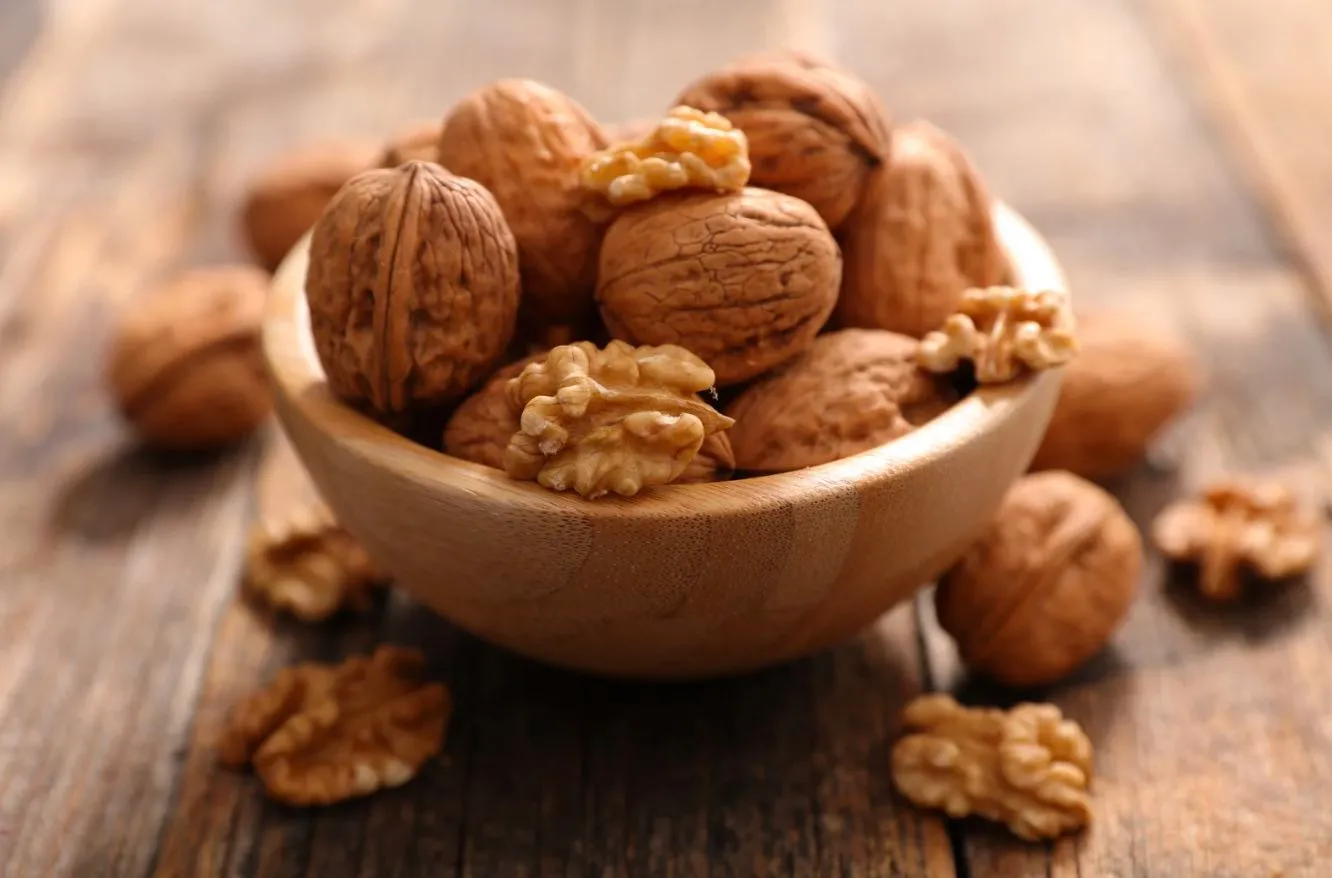
Foods rich in omega 3 fatty acids include salmon, tuna, walnuts, flaxseed, and chia seeds. Including these foods regularly may help support both heart and brain health at the same time.
Vitamin B12
Vitamin B12 plays an essential role in supporting healthy nerves and brain function. As we age, the body can become less efficient at absorbing B12, which means some older adults may not get enough through diet alone.
Low levels of vitamin B12 may contribute to fatigue, confusion, or memory difficulties. Foods such as eggs, dairy products, fish, and lean meats are good sources of this important vitamin.

Vitamin D
Vitamin D is well known for supporting bone health, but it also plays a role in cognitive wellness. Some studies suggest that low vitamin D levels may be connected to changes in mood, focus, and memory.
Vitamin D can be found in foods like fatty fish, eggs, and fortified dairy products. Spending time outdoors in natural sunlight may also help support healthy vitamin D levels.
Antioxidants
Antioxidants help protect the body and brain from damage caused by aging and everyday stress. Fruits and vegetables that are rich in colour often contain high levels of antioxidants and other important nutrients.
Blueberries, spinach, tomatoes, carrots, and sweet potatoes are all excellent examples of foods that can support overall brain health while also adding flavour and variety to meals.

Iron and Healthy Blood Flow
Iron helps carry oxygen throughout the body, including to the brain. When iron levels are too low, some people may experience fatigue, difficulty concentrating, or low energy levels.
Iron rich foods include leafy greens, beans, lentils, fortified cereals, and lean meats. Eating balanced meals that include iron can help support energy and mental clarity throughout the day.
Simple Eating Habits That Support Cognitive Wellness
Supporting brain health is not about finding one perfect food. It is about creating balanced eating habits that help nourish the body consistently over time.
Simple daily habits can make a meaningful difference. Eating regular meals throughout the day helps provide the brain with steady energy. Staying hydrated is also important, since even mild dehydration can affect focus and concentration. Check out our “7 Nutrition Facts Seniors Should Know About” to learn more.
Including a variety of foods such as vegetables, whole grains, healthy fats, and lean proteins can help ensure the body receives a broad range of nutrients that support both physical and cognitive health.
Making Brain Healthy Eating Easier
Preparing balanced meals every day can sometimes feel tiring or overwhelming, especially when shopping, cooking, or meal planning become more difficult with age. Having easy access to nutritious meals can make healthy eating feel much more manageable.
Heart to Home Meals offers a wide range of wholesome meals made with nutrient dense ingredients that support overall wellness, including vegetables, whole grains, lean proteins, and fish rich in healthy fats. These thoughtfully prepared meals can help make it easier to enjoy nourishing foods that support both body and mind without the stress of daily meal preparation.
The Bigger Picture
Healthy aging is about more than just physical health. Feeling mentally sharp, energized, and connected to daily life matters too. While no single food is prevention on its own, nourishing the brain with balanced meals and important nutrients helps support cognitive health and overall wellbeing over time.
Small choices can add up in meaningful ways. A warm, balanced meal, a colourful plate filled with nourishing ingredients, or simply eating regularly throughout the day can all help support a healthier and more enjoyable future.